


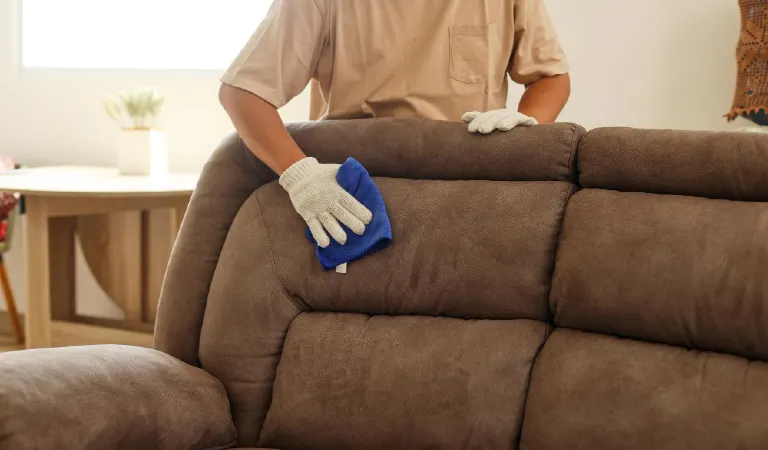
How To Clean Different Types Of Upholstery
Nothing is more annoying than seeing your plush upholstery deteriorate from daily wear and tear. From everyday dirt buildup to unexpected splatters and pet stains, your couch or sofa goes through a lot. Unfortunately, most homeowners end up damaging the delicate upholstery due to a lack of cleaning skills.
Each upholstery fabric differs in texture, cleaning methods and durability. Therefore, it is important to use the right approach when spot cleaning stubborn stains and fabric. Whether it’s your leather couch or microfibre armchair, we bring you a complete guide to help you clean different types of upholstery the right way.
Make sure you read the cleaning code before getting into the cleaning process to prevent costly repairs, especially when moving out of your tenancy. You can also prefer hiring experts for a quality bond cleaning Gold Coast for your furnished property and secure your bond. For DIY upholstery cleaning, keep on reading the article:
Hide
Show
]- What are the Upholstery Cleaning Codes?
- How to Clean Synthetic Upholstery
- Cleaning Your Natural Upholstered Furniture
- Cleaning and Maintenance Tips for Microfibre Upholstery
- How to Remove Stains from Leather Furniture
- Cleaning Suede Couches Like a Pro
- Infographic For Upholstery Cleaning Guide Based On Fabric Type
- Wrapping Up
1. What are the Upholstery Cleaning Codes?
It is important to read the manufacturer’s cleaning instructions before cleaning your expensive and beautiful upholstery. The cleaning codes can help prevent damage or discolouration:
- “W”: It means you can use water based cleaning products to spruce up your upholstery furniture. You can also use a steam cleaner or upholstery shampoo for effective cleaning.
- “S”: You can use solvent based cleaners, such as dry cleaning solutions, to treat stains. Avoid using water as it can cause stains and shrinkage.
- “WS”: This type of upholstery can be cleaned using both water based or solvent based cleaners. You should always do a patch test.
- “X”: Use only a vacuum cleaner or a soft bristled brush for cleaning
2. How to Clean Synthetic Upholstery
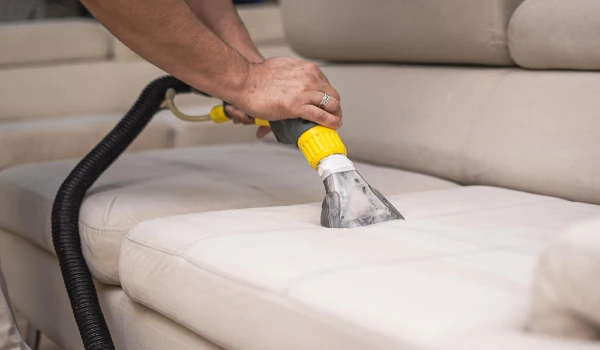
Fabrics made of synthetic fibres, such as nylon, acrylic and polyester, are one of the easiest furniture pieces to clean. They stand water and any type of water based solutions.
However, it is always better to check the label to see cleaning instructions for stains and grime to prevent damage or discolouration. First things first, vacuum the upholstery using a brush attachment to banish embedded dirt and debris.
For pet stains and grime, mix equal parts vinegar and warm water, then add a teaspoon of dishwashing liquid and mix well. Next, gently dab the area with a microfibre cloth until the stain transfers onto the cloth. Make sure you create a proper checklist to help you prepare your property for inspection day when moving out.
Tip: Always do a spot test on a hidden spot to see if the product reacts.
3. Cleaning Your Natural Upholstered Furniture
There is no denying that some household furniture is made of 100% natural fibres, such as wool, cotton or even silk and velvet. These are the most delicate and can be damaged if you use water. So, avoid wet cleaning or harsh chemicals.
You can opt for steam cleaning to remove stubborn stains and grime. If required, you can remove greasy marks using baking soda. Sprinkle a generous amount and vacuum the next day.
4. Cleaning and Maintenance Tips for Microfibre Upholstery
These are beautiful, elegant and durable furniture pieces. The best part is that you don’t need strict cleaning instructions or specific products to treat stains and grime.
The microfibre upholstery prevents dirt from penetrating deep into the fabric, making it easy to clean and vacuum. You can simply scrub off the dirt using a vacuum brush.
For spot cleaning, check the cleaning code and select the best product. Some of the best natural products for microfibre upholstery are:
- White vinegar solution to remove light stains
- Baking soda to absorb bad smell
- Castile Soap to scrub stains
- Rubbing alcohol for tougher stains
It is always a good idea to hire professionals for thorough, expert bond cleaners Gold Coast to prevent bond deductions and avoid nasty rental disputes.
5. How to Remove Stains from Leather Furniture
Leather needs gentle wiping to get rid of accumulated dust and occasional condition to keep it spotless all year round. However, if you notice stubborn stains, spot clean with a white vinegar and water solution. Gently blot and achieve spotless results.
To restore the shine, use eco friendly cleaning solutions to avoid discolouration. You can mix 2 parts olive oil with 1 part vinegar. Apply lightly on leather furniture and buff dry with a cloth. It conditions your leather furniture like a pro.
6. Cleaning Suede Couches Like a Pro
There is no denying that suede is a popular fabric for upholstery. But is one of the difficult fabrics to clean. So, it is essential to regularly vacuum your furniture. This will help prevent dirt, debris, and pet hair from becoming embedded deep inside the fibres. Make sure you pay special attention to the nooks and crannies for effective results.
Unfortunately, suede can’t stand water or water based solution. So, it is good to avoid using soap and water when treating stubborn stains. Instead, use white vinegar and apply it on affected area to remove grime.
For grease stains, brush away the baking soda using a soft bristled brush after 2 hours. You can also hire highly trained bond cleaning Gold Coast professionals to tackle tougher stains and grime without causing any damage to your elegant suede couch.
Infographic For Upholstery Cleaning Guide Based On Fabric Type
Wrapping Up
Whether it’s a synthetic couch or a beautiful leather sofa, upholstered furniture needs regular maintenance and the right care to maintain its pristine shine. Make sure you follow the cleaning tips for different types of fabrics when sprucing up your upholstered household furniture.